


Medical Causes of Depression (cont.)
HERE we look at what the research says about more of the so-called 'medical causes' of depression...
"Depression is hereditary"
"Depression runs in the Family" or "it's in your genes" are commonly given as causes of depression. If you are suffering from depression, being told you were "bound to get it", can be an incredibly unhelpful statement to have thrown at you.
And it's not true.
There is some evidence that some depression has a genetic basis. Manic depression, or bipolar disorder, in particular.
However...
- We know that most depression is learned, not genetic. (1)
- Because much depression has to do with styles of thinking, behavior and interpersonal relationships, there is much scope for depressive styles to be passed down in families by learning. (2)
- Even if you do have a genetic predisposition to depression, it is no more than a predisposition. You are not certain to become depressed, by any means. There is no gene for depression, and there never will be because genes just don't work that way. (3,4)
"It's in your genes"
We now know that most family depression is learned, not genetic. It's incredibly hard not to be affected by a depressed person, and as children, much of our behavior is learned from our parents. (See 2 & 3 above.)
"Depression is caused by illness"
Depression can "co-occur" or be triggered by an existing medical condition. The physical effects of depression are very real and often debilitating, but only around 10-18% of depression is triggered by another medical condition.
And as depressing as some diseases are, they don't automatically cause depression.
Pain, for example, can cause an inability to partake in enjoyable activities, interrupt sleep patterns, make life less pleasant, and cause feelings of hopelessness.
Some food allergies, or intolerance, when undiagnosed cause low energy levels, interrupted sleep, and increased worry as the person tries to figure out what is wrong with them.
However, they do not cause depression.
To understand the link between physical causes of depression, and depression itself, we need to first to look at the thinking styles associated with depressive behavior and symptoms. From here we can see how the these cause ongoing physical effects.
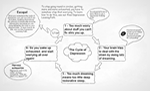
This is where we get an important insight into understanding depression and how it is maintained.
This connection is in fact the cause of depression, and so it is crucial to understand when you are looking for help with depression. We will explore this fully later in the Learning Path.
Next article: Teen Depression
Next we're going to look at the increase in teenage depression. This should be helpful even if you are not a teenager or don't have teenage kids...
- Yapko, M. D. (1997) Breaking the Patterns of Depression. Doubleday.
- Yapko, M.D. (1999) Hand me down blues - How to stop depression from spreading in familes. St Martin's Griffin.
- Papermaster, D. (1995) Necessary but insufficient. Nature Medicine, 1, 874-5.
- Le Fanu. J. (1999) The Rise and Fall of Modern Medicine. Little, Brown & Company.
About the authors


The Depression Recovery Program
The Cycle of Depression
Understand precisely how depression makes you feel so bad, and what you can do to fight back today.


